Gigi Bunny Easter SVG Review
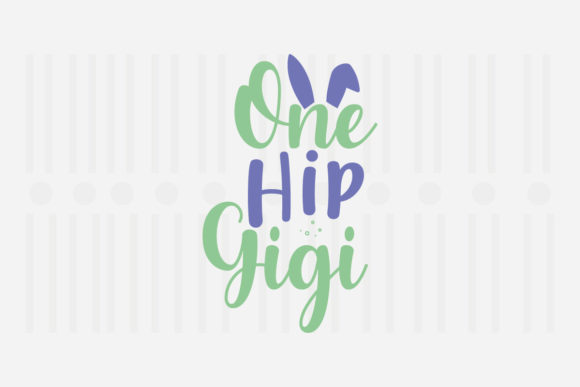
As a designer who spends half my life staring at stitch density maps and the other half worrying about how a customer will react to a slightly crooked seam, I don’t just buy digital files—I vet them. When I came across the Gigi Bunny,Easter SVG, I didn’t immediately think “cute.” I thought, “Will this hold up on a cotton tote bag after twenty washes?” or “Does this look professional enough for a boutique client?” That is the lens through which I evaluate every machine embroidery design that crosses my desk. Today, I’m breaking down why this specific asset might be the missing piece in your craft business inventory, and where it might actually cause you more headaches than profit.
The First Impression: Mood and Market Fit
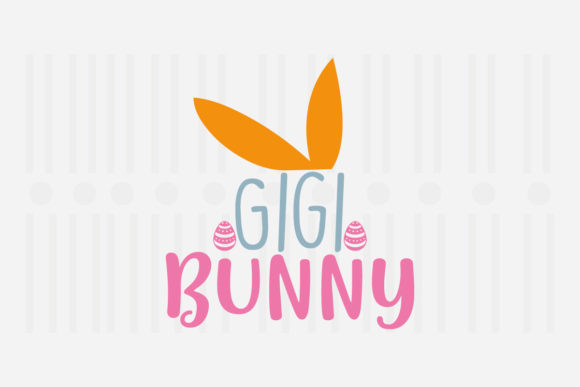
Let’s talk about the vibe. The name alone—Gigi Bunny,Easter SVG—suggests a playful, modern take on a classic holiday theme. In the world of Etsy seller listings and handmade shops, "classic" can sometimes read as "dated." What we are looking for here is that sweet spot between nostalgic charm and contemporary graphic simplicity. From what I can gather from the description, this design leans heavily into versatility. It isn’t just a static image; it’s a digital product seller’s dream because of its adaptability.
The mood is light, airy, and distinctly seasonal without being overly cluttered. For an Easter SVG Quote design, the balance of text and imagery is crucial. If the text is too small, it gets lost in the stitching. If the bunny graphic is too complex, it becomes a nightmare for home embroiderers. This design seems to hit the mark by offering something that feels ready-made for custom apparel like t-shirts and posters, yet simple enough to work on delicate items like baby clothes. It creates a sense of approachable elegance that appeals to millennial parents and gift-givers alike.
Real-World Application: Where Does It Shine?
I recently had a scenario come up where a client needed a cohesive line of products for a spring pop-up shop. They wanted a tote bag design that wasn’t generic, some sweatshirt embroidery for cooler evenings, and perhaps a few kitchen towel accents. This is exactly where Gigi Bunny,Easter SVG proves its worth. Because the source file includes both EPS and SVG formats, you aren’t locked into one medium. You can scale this up for a large wall hanging or shrink it down for a tiny embroidered patch.
Imagine a high-quality canvas tote bag. You place the Gigi Bunny design centered on the front panel. The clean lines of the vector format mean that when you digitize or use it as an applique base, the edges remain crisp. It doesn’t bleed. For an Etsy listing, this translates to sharper mockups and higher click-through rates. Customers trust designs that look intentional and polished. A blurry or poorly scaled vector screams "cheap download," whereas a clean, scalable graphics asset signals quality.
Furthermore, the description highlights that the design is 100 Color Changeable. This is a massive selling point for commercial embroidery projects. If a client wants a pastel pink bunny for a nursery pillow, you change the thread color. If they want a bold red for a festive apron, you change it again. The flexibility allows you to offer personalized gifts without needing a separate file for every single colorway. This efficiency is vital for small business owners trying to keep overhead low while maximizing output.
Material Matters: Fabric and Texture
However, not all fabrics are created equal. When I review a design, I always ask: "What happens when this hits the hoop?" The Gigi Bunny,Easter SVG works beautifully on stable, woven fabrics like cotton twill for totes, heavy cotton for tea towels, and smooth jersey for t-shirts. These materials provide the necessary structure for stitch density to sit properly on the surface rather than sinking in.
If you are planning to use this on a cap or a curved hat brim, you need to be cautious. Curved surfaces distort straight lines and perfect circles. While the design is likely simple enough to handle minor distortion, testing on scrap fabric first is non-negotiable. Similarly, textured fabrics like chunky knits or fleece can hide the finer details of the design. In those cases, you might need to adjust the stabilizer choice or simplify the digitization to ensure the satin stitch outlines remain visible.
Technical Considerations for the Designer
For those of us who care about the nitty-gritty, there are a few technical aspects to keep in mind. The inclusion of source files in EPS and SVG is excellent. It means you have control over the design assets. You aren’t stuck with a rasterized PNG that pixelates when you try to enlarge it for a banner. You can manipulate the curves, adjust the kerning of the quote if needed, and ensure the layout fits your specific hoop size.
When preparing this for production, pay close attention to the thread colors. The description mentions easy color changing, but contrast is king in embroidery. A light yellow bunny on a white shirt will disappear. You need to choose threads that pop against your chosen background. I often test designs in black and white mockups to check the value contrast before committing to expensive specialty threads. If the design holds up in grayscale, it will almost certainly look great in color.
Also, consider the applique design potential. If the SVG contains distinct shapes, it could be converted into an appliqué project. This adds a layer of dimension and texture that pure stitching cannot achieve. An appliqué bunny on a denim jacket has a completely different aesthetic appeal than a fully stitched version. It elevates the handmade product from a craft fair item to a boutique-ready piece.
Where to Exercise Caution
No design is perfect for every situation. Here is where you should pause and think twice:
- Small Hoop Sizes: If the design includes intricate details or fine text, shrinking it to fit a 4x4 inch hoop might result in lost definition. Always inspect small details before finalizing the size.
- Stretchy Fabrics: On highly stretchy materials like spandex blends, the tension of the stitches can cause puckering. You may need a cut-away stabilizer and a slower sewing speed to maintain clarity.
- Dense Stitch Areas: If the design relies heavily on fill stitches, ensure your machine can handle the thickness without breaking needles or jamming. Thin fabrics might pucker under dense stitching, so a backing stabilizer is essential.
- Commercial Licensing: Before you start mass-producing these for your small shop product line, double-check the license terms. Some digital files are for personal use only. Confirming licensing prevents legal headaches down the road.
Final Verdict
The Gigi Bunny,Easter SVG is a solid addition to any designer’s toolkit. It strikes a balance between visual appeal and practical utility. It is versatile enough for holiday embroidery projects, sturdy enough for daily-use items like tote bags and aprons, and flexible enough to suit various brand aesthetics. For the creative entrepreneur looking to capitalize on the spring season, this design offers a low-risk, high-reward opportunity.
Just remember: the file is only half the battle. Your choice of fabric, stabilizer, and thread will make or break the final look. Test thoroughly, respect the limits of your equipment, and present your finished product with pride. When done right, a simple bunny design can become a bestseller that customers love to wear, carry, and display. That is the goal of every good embroidery project.