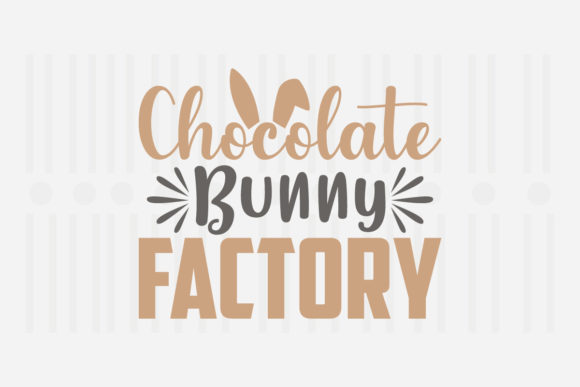
Chocolate Bunny Factory Easter SVG Review
As a designer who spends more time staring at stitch density charts and fabric swatches than actually sleeping, I have learned to trust my gut before I ever load a file into the hoop. There is a specific kind of anxiety that comes with opening a new digital embroidery file, especially one tied to a holiday as saturated as Easter. You want something that feels fresh but not cheesy, cute but not childish, and professional enough to justify a premium price tag on your shop.
I recently pulled up the Chocolate Bunny Factory,Easter SVG for a test run. My goal was simple: determine if this design has the legs to survive in a competitive market like Etsy or a local craft fair, or if it’s just another fleeting trend that will look dated by April 2nd. Here is my honest, practical breakdown from the perspective of someone who needs these designs to work reliably in real-world production.
First Impressions and Visual Personality
The moment you open the source files—whether they are in EPS or SVG format—the layout strikes me as clean. The title suggests a "factory" theme, which implies a playful, perhaps slightly industrial or whimsical aesthetic rather than just a standalone bunny. This is crucial. In the world of custom apparel, narrative-driven designs often outperform generic icons because they tell a story. This piece feels like it belongs in a boutique setting, perhaps paired with a witty quote about chocolate consumption or spring baking.
Visually, the shapes appear bold. For an embroidery project to succeed, especially when targeting small business owners, the silhouette must be recognizable even from a distance. The character design here seems to prioritize charm over hyper-realism, which is exactly what you want for machine stitching. Complex gradients and tiny, hair-like details are nightmares for standard machine embroidery; this design seems to avoid those pitfalls, relying instead on strong outlines and clear negative space. It creates a mood that is cozy, festive, and inviting—a perfect fit for holiday embroidery collections.
Real-World Application: Where Does It Shine?
Let’s talk about where this machine embroidery design would actually sell. I imagined using this for a custom embroidered tote bag design intended for a spring market. The contrast of a sturdy canvas tote against the soft, rounded lines of a chocolate bunny works well. It feels approachable. However, the versatility of this graphic extends far beyond bags.
Consider the sweatshirt embroidery market. As temperatures fluctuate in early spring, customers are looking for layering pieces. A chest-sized placement of this design on a heather grey or pastel pink sweatshirt hits the sweet spot between casual and cute. It also translates beautifully to baby clothes. Parents love personalized gifts for their little ones, and a soft bodysuit featuring this motif could easily become a bestseller in a nursery decor line. The design’s simplicity ensures it won’t overwhelm delicate fabrics.
For the digital product sellers among us, this asset is valuable. If you are creating printable mockups or selling design assets to other embroiderers, the fact that the file allows for easy color changes is a massive plus. Being able to swap thread colors quickly means you can create multiple variations—white bunny on navy, black bunny on cream, pastel bunny on white—without needing to redraw the vector paths. This efficiency directly impacts your bottom line.
Product Versatility and Brand Consistency
One thing I appreciate about this design is its adaptability across different product types. It works as an embroidered patch for denim jackets, adding a touch of personality to a rugged garment. It fits well on kitchen towels and tea towels, tapping into the home goods sector. When you maintain a consistent visual style across your catalog, you build brand recognition. If this bunny becomes a signature element of your shop’s Easter collection, customers will start to associate that specific charm with your name.
Furthermore, the design’s clean lines make it suitable for commercial embroidery projects where speed matters. If you are fulfilling orders for a corporate client or a large event, you need files that stitch out quickly without losing detail. The straightforward nature of this graphic suggests a lower risk of thread breaks or tension issues, provided the setup is correct.
Technical Considerations and Potential Pitfalls
No design is perfect, and as a reviewer, I must highlight where caution is needed. While the main shape is robust, you must inspect the smaller details closely. Are there any tiny text elements or decorative accents that might get lost in the stitch? If the design includes fine lettering, it may require a higher stitch density or a finer needle to remain legible. Always test the design on scrap fabric first. This is non-negotiable advice for any experienced maker.
Fabric choice plays a huge role in how this embroidery file performs. Textured fabrics, such as heavy tweed or loose-weave linen, can distort the stitches, making the bunny look blurry. Thin or stretchy fabrics, like jersey knits, may pucker if the stabilizer isn’t chosen correctly. For these materials, you need a high-quality cut-away stabilizer to provide enough support. Conversely, on dark fabrics, the thread colors need to pop. If the original design uses light threads, you might need to add a backing or change the color palette to ensure visibility.
Another area to watch is the hoop size. If the design is large, it might exceed the limits of smaller hoops, forcing you to rehoop, which can lead to misalignment. Check the dimensions of the vector file before starting. Also, consider the end use. Products that will undergo frequent washing, like aprons or baby items, need durable stitching. Ensure the fill stitches are dense enough to withstand wear and tear, but not so dense that the fabric becomes stiff and uncomfortable.
Color and Contrast Strategy
The ability to change colors is a feature, not just a gimmick. When preparing this for a finished product, think about contrast. A chocolate brown bunny on a dark brown shirt will disappear. Use the color-changing capability to experiment with complementary palettes. Try a creamy off-white bunny on a sage green background for a sophisticated look, or a bright yellow bunny on a royal blue base for maximum vibrancy. Testing these combinations in black and white mockups can help you gauge value contrast before committing to expensive specialty threads.
Final Verdict for Craft Business Owners
So, should you add Chocolate Bunny Factory,Easter SVG to your library? Yes, but with preparation. It is a versatile, visually appealing design that fits seamlessly into the crafts and graphics categories, particularly for those focusing on seasonal merchandise. It offers the right balance of detail and simplicity, making it accessible for hobbyists while still looking professional enough for commercial use.
Remember to check the licensing terms carefully. Just because you own the file doesn’t always mean you have the right to sell unlimited physical products. Confirm whether the license covers commercial use for handmade items or if there are restrictions on digital resale. Once you’ve cleared those legal bases, this design is ready to print, stitch, and sell. It has the potential to be a standout piece in your spring collection, driving engagement and sales for your small shop product line. Just don’t forget to stabilize your fabric and check your tension!