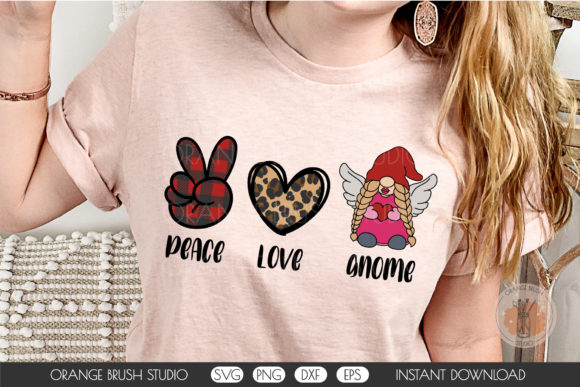
Peace Love Gnome Design SVG Valentine
As a designer who spends more time than I care to admit staring at stitch charts and testing thread tensions, I don’t just look at a design; I look at how it will behave under the needle. When Peace Love Gnome Design SVG Valentine landed on my desk, my first thought wasn’t about the holiday season—it was about versatility. The title suggests a seasonal niche, but the visual language tells a different story. This is a piece that balances whimsy with structure, making it a strong candidate for both personal projects and commercial merchandise.
First Impressions: Mood and Visual Personality
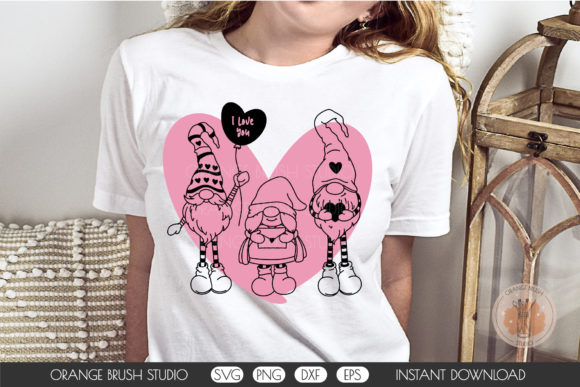
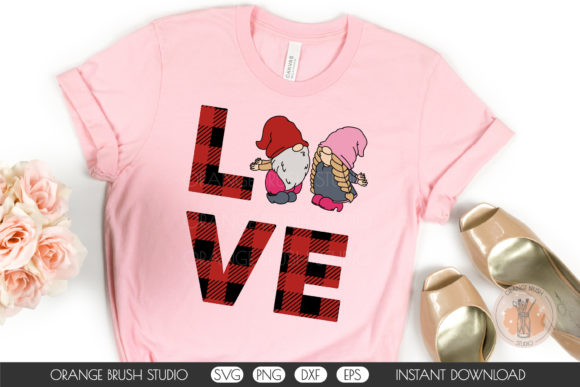
The moment you view the vector file, the layout feels balanced. It isn’t cluttered, which is a common pitfall in character-based designs. The gnome figure serves as the anchor, but the inclusion of the peace sign and heart elements adds layers of meaning without creating visual noise. For an embroidery project, this distinction is crucial. A design that is too busy often results in "blobby" stitching where details merge together, especially when scaled down for items like caps or baby onesies.
This design has a distinct personality. It feels approachable, slightly retro, and undeniably cute. That emotional resonance is what drives sales in the handmade market. Customers aren’t just buying a gnome; they are buying a feeling of warmth and positivity. Whether used for Valentine Day crafts or year-round decor, the aesthetic remains relevant because it taps into universal symbols of love and harmony rather than fleeting trends.
Real-World Application: From Screen to Stitch
I recently tested this concept on a custom embroidered tote bag for a local boutique client. The goal was to create a reusable shopping bag that felt special enough to gift but durable enough for daily use. Using the Peace Love Gnome Design SVG Valentine as the centerpiece allowed us to place the graphic centrally on the canvas tote without overwhelming the fabric.
In this scenario, the design’s clean lines translated beautifully. The gnome’s hat provided a perfect area for a dense fill stitch, while the peace sign could be rendered with a combination of satin and running stitches to add texture. The result was a high-quality handmade product that looked professional right out of the hoop. The contrast between the soft curves of the gnome and the geometric angles of the peace symbol created a dynamic visual interest that photograph well for Etsy listings and social media marketing.
Beyond totes, this design shines in other categories. Imagine it embroidered on a thick cotton sweatshirt for a cozy winter look, or stitched onto a delicate pillow cover for nursery decor. The flexibility of the source file means it can be adapted for various applications, from custom apparel to embroidered patches. For small business owners, this adaptability is gold. One design asset can serve multiple product lines, maximizing your return on investment.
Technical Considerations and Potential Pitfalls
However, not every design fits every surface. As a reviewer, I must point out where caution is needed. While the main body of the gnome is robust, certain decorative accents might struggle on difficult fabrics.
- Small Hoop Sizes: If you attempt to digitize or stitch this on a very small hoop (3x3 inches or smaller), you may lose definition in the finer details. Always check the minimum recommended hoop size before committing to a small item like a baby bib or a tiny patch.
- Textured Fabrics: Embroidering over heavy textures like bouclé or rough linen can obscure the intricate parts of the design. The stabilizer may also bunch up, leading to puckering. Stick to smooth, tightly woven fabrics like cotton twill or denim for the best clarity.
- Stretchy Materials: If you are working with jersey knits or stretchy activewear, ensure you are using a cut-away stabilizer. Without proper support, the tension of the stitches can distort the fabric, warping the shape of the gnome.
- Dense Stitch Areas: Pay attention to the fill density. If the design uses too many stitches in a small area, it can become stiff and uncomfortable to wear. For garments that need to remain soft, such as baby embroidery items, verify that the digitizer has optimized the stitch count to prevent bulkiness.
Stitch Quality and Thread Selection
The success of any machine embroidery design hinges on thread choice. For this particular design, I recommend avoiding overly shiny polyester threads for the gnome’s face, as the glare can wash out facial features. Instead, opt for matte cotton-blend threads to give the character a softer, more traditional appearance. For the peace sign and heart, a contrasting metallic or bright color can make those elements pop against a neutral background.
When planning your color palette, consider the end use. For a holiday embroidery project, reds, pinks, and whites are obvious choices. However, for a craft business targeting a broader audience, earth tones, navy blues, and sage greens can make the design feel timeless and less tied to a specific date. This versatility increases the lifespan of your inventory.
Commercial Viability and Licensing
For those looking to sell finished goods, understanding the licensing terms is non-negotiable. While the description highlights its utility for Cricut Design Space and Silhouette, implying it may also function as a cutting file, you must confirm if it includes commercial rights for embroidery. Selling a finished product requires explicit permission to reproduce the design commercially. Many creators offer tiered licenses, so always read the fine print before listing your items on platforms like Etsy or Amazon Handmade.
If you are a digital product seller, offering this as part of a bundle alongside other whimsical characters can boost perceived value. Pairing it with complementary graphics creates a cohesive collection that appeals to buyers looking for themed sets for their home decor or party supplies.
Final Verdict
Peace Love Gnome Design SVG Valentine is more than just a seasonal novelty; it is a well-composed graphic that respects the technical limitations of embroidery while delivering strong aesthetic appeal. It works exceptionally well for tote bag design projects, sweatshirt embroidery, and personalized gifts. By paying attention to fabric choice, stabilizer selection, and thread contrast, you can transform this digital file into a tangible product that customers will cherish.
Before launching into production, I strongly advise testing the design on scrap fabric first. Check the stitch density, inspect small details under good lighting, and perhaps even test it in black and white mockups to ensure the shapes hold up without color distraction. With careful execution, this design has the potential to become a staple in your creative arsenal, bridging the gap between hobbyist crafting and professional commercial embroidery.