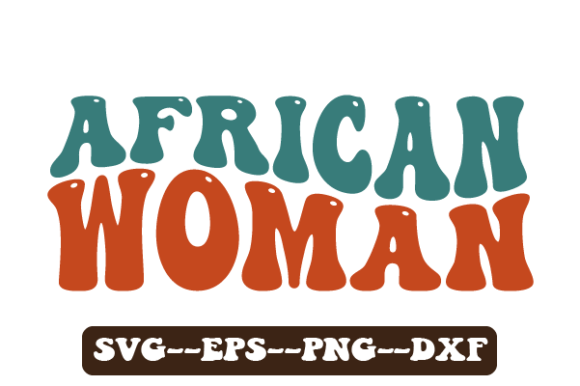
African Woman Kwanzaa Retro Wavy Svg Review
As a designer who spends half my life staring at digitized files and the other half troubleshooting stitch errors, I don’t just look at an embroidery design; I look at how it will behave on fabric. When African Woman Kwanzaa Retro Wavy Svg landed in my inbox, my first instinct wasn’t to admire the aesthetic alone, but to question its viability for real-world application. We all know that a pretty vector file doesn’t always translate into a clean, professional stitched result. So, before committing this to a client’s order or an Etsy listing, I put it through the mental (and practical) gauntlet of a typical craft business workflow.
First Impressions: Mood and Visual Personality
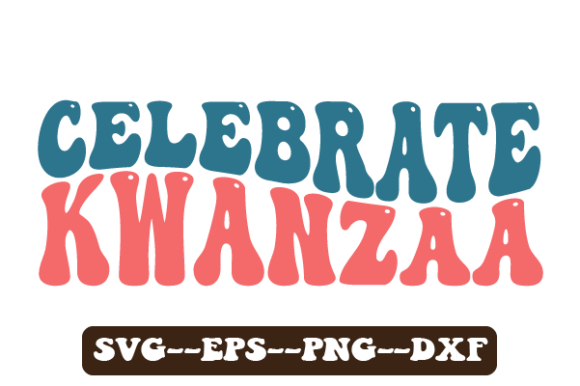
The moment you open the file, the retro vibe is unmistakable. The wavy lines suggest movement, rhythm, and a celebratory energy that aligns perfectly with the spirit of Kwanzaa. For a designer, this is crucial because the design carries emotional weight. It isn’t just a geometric pattern; it’s a representation of heritage and joy. This makes it an excellent candidate for holiday embroidery projects where the customer is looking for something meaningful rather than generic.
Visually, the layout feels balanced. The curves are smooth, which generally bodes well for stitching, as sharp, jagged angles often require excessive trimming and can lead to thread breaks. However, the "retro" aspect implies a certain level of detail in those waves. In my experience, designs that rely heavily on fine, repetitive wavy lines can sometimes suffer from visual clutter if the stitch density isn't managed correctly. If the stitches are too close together, the wave effect might turn into a solid blob. If they are too far apart, the design loses its integrity. This design sits right on that edge, making it a fascinating test case for precision.
Real-World Application: Where Does This Fit?
Let’s talk about actual products. I imagine this design shining on specific items where the narrative matches the medium. A tote bag design is perhaps the most obvious choice. Canvas totes are durable, provide a flat surface for stitching, and are popular among buyers looking for sustainable, handmade goods. The boldness of the retro style would pop against natural cotton canvas or even a deep indigo dye.
I also see strong potential for sweatshirt embroidery. As we approach holiday seasons, personalized gifts become top sellers. A crewneck sweatshirt featuring this design could serve as a heartfelt gift for family members celebrating their heritage. The soft texture of fleece or cotton blends complements the organic feel of the wavy lines. Similarly, for baby embroidery, this could be adapted for onesies or burp cloths, provided the scale is adjusted so the details remain legible on small garments.
However, not every surface is created equal. While the product description mentions sublimation compatibility, our focus here is embroidery. Translating a digital embroidery file to fabric requires understanding how thread interacts with weave. On a pillow cover, this design could look stunning as a centerpiece, adding a touch of warmth to a living room. But on a kitchen towel, the finer details might get lost in the wash, especially if the buyer uses high heat. These are the nuances that separate a hobbyist’s attempt from a professional’s output.
Technical Considerations and Potential Pitfalls
No review is complete without addressing the challenges. The primary concern with any design featuring intricate wavy lines is the risk of distortion on difficult fabrics. If you attempt to stitch this on a stretchy knit fabric without proper stabilization, those beautiful curves will pucker and warp. You need a reliable stabilizer—likely a cut-away for durability—to keep the tension consistent. Furthermore, textured fabrics like bouclé or heavy tweed will obscure the smaller details of the waves, turning a crisp design into a muddy mess.
Another critical factor is color contrast. The retro style likely relies on distinct lines to define shape. If you choose thread colors that are too similar to your fabric, the design will vanish. I strongly advise testing this in black and white mockups before selecting your final thread colors. This helps ensure that the value contrast is sufficient for the eye to distinguish the African woman’s silhouette and the surrounding waves.
Also, consider the hoop size. If the design is large, you may need to move the hoop multiple times, which introduces registration risks. If it’s too small, you lose the impact of the retro aesthetic. Always check the dimensions against your machine’s capabilities. And let’s not forget licensing. Since this is sold as a graphic asset, you must confirm whether you have commercial rights to sell finished products made with it. Assuming it is a craft business item, clarity on these terms protects your reputation and your bottom line.
Practical Tips for Execution
- Test on Scrap: Never run a new design directly onto your final product. Stitch it out on the exact same fabric and stabilizer combination you plan to use. This reveals issues with tension, needle type, and backing requirements.
- Inspect Small Details: Zoom in on the digitization. Are there tiny isolated elements that might not stitch cleanly? Sometimes, slight modifications in the digitizing software can merge weak connections to improve durability.
- Check Thread Quality: Use high-quality polyester or rayon thread. Cheap thread can break under the stress of dense fills or long satin stitches, leading to frustrating rework.
- Evaluate Stitch Types: Determine if the design uses satin stitch for outlines or fill stitch for bodies. Satin stitches on curved edges can sometimes gap if the underlay isn’t perfect. Ensure the file has adequate underlay to stabilize the fabric before the decorative stitches.
Final Verdict: Is It Worth the Investment?
African Woman Kwanzaa Retro Wavy Svg offers a compelling blend of cultural significance and stylish aesthetics. For Etsy sellers and small shop owners, it provides a unique selling proposition that goes beyond standard seasonal decor. It appeals to customers looking for authentic, handcrafted items that celebrate identity and tradition.
However, success depends entirely on execution. This is not a "set it and forget it" design. It demands attention to detail, proper fabric selection, and careful stitching parameters. If you treat it with the respect due to a professional embroidery project, it can elevate your brand and create memorable personalized gifts for your clients. But if you rush the process, the subtleties of the retro wave pattern may be lost, resulting in a mediocre finished product.
In conclusion, this design is a strong addition to any graphics library focused on cultural celebrations, provided you have the technical skills to bring it to life. It’s versatile enough for custom apparel, home decor, and accessories, making it a valuable asset for any handmade product creator. Just remember: the file is only as good as the stitch work behind it. Test thoroughly, choose wisely, and let the design speak for itself.